
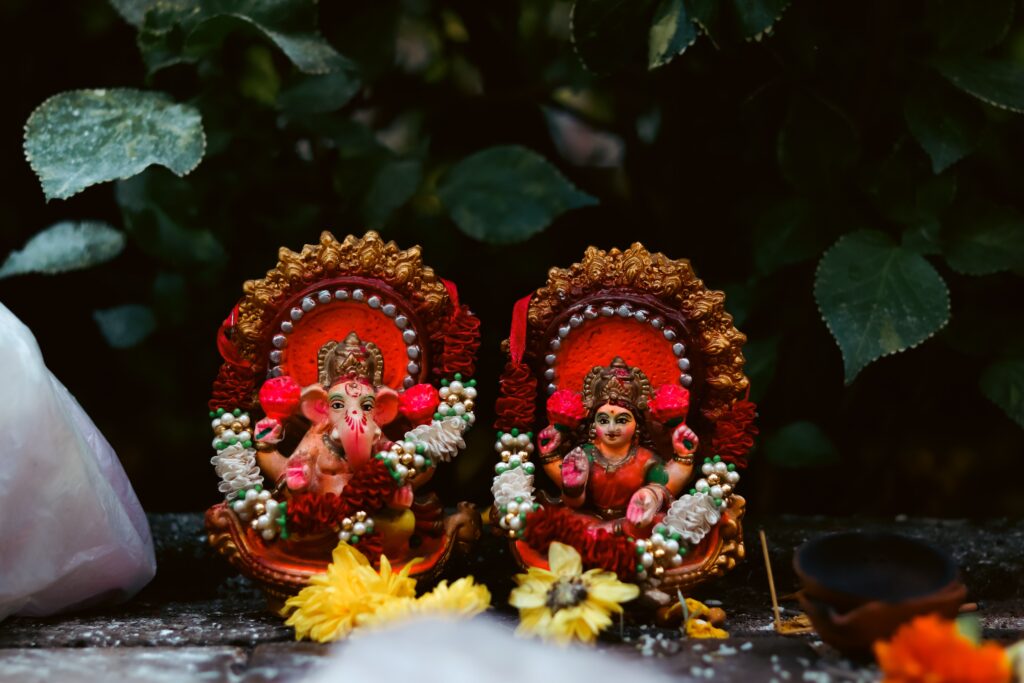
Marble god statues are deeply respected in many homes, temples, and spiritual places. These sacred idols symbolize devotion, faith, and divine presence. However, over time, marble statues may become damaged due to accidents, aging, transportation issues, or environmental exposure. When this happens, many devotees search for the proper and respectful way to handle religious broken statues disposal.
Organizations such as osrtrust are helping create awareness about responsible idol disposal practices that preserve both spiritual traditions and environmental values.
Why Proper Disposal of Marble God Statues Matters
Damaged religious idols are often considered unsuitable for continued worship in many spiritual traditions. Instead of discarding them carelessly, devotees usually follow respectful disposal practices that honor the sacred nature of the murti.
Proper religious broken statues disposal reflects:
- Respect for religious beliefs
- Preservation of cultural traditions
- Environmental responsibility
- Spiritual discipline
- Ethical handling of sacred objects
Common Causes of Damage to Marble God Statues
Marble statues are durable but can still become damaged over time for several reasons:
- Accidental drops or impact
- Transportation damage
- Natural cracks from aging
- Weather exposure
- Temple renovation work
- Water-related deterioration
When idols become chipped, cracked, or broken, devotees often seek guidance from temples or trusted organizations like osrtrust.
Best Practices for Religious Broken Statues Disposal
1. Handle the Idol With Respect
Even if damaged, marble god statues should always be handled carefully and respectfully. Avoid placing the idol directly on the ground or treating it as ordinary waste material.
Many devotees first place the murti on a clean cloth before beginning any disposal process.
2. Perform Simple Religious Rituals
Before disposal, many families perform small prayers or rituals to express gratitude and devotion.
These rituals may include:
- Lighting incense or diyas
- Offering flowers
- Chanting mantras
- Performing aarti
- Seeking blessings
These practices help complete the spiritual transition respectfully.
3. Wrap the Statue Properly
Broken marble statues are often wrapped in clean white or red cloth before disposal. This symbolizes dignity and reverence toward the deity.
4. Choose an Appropriate Disposal Method
Different regions and traditions may follow different practices for religious broken statues disposal. The most common methods include burial, immersion, or temple-supervised collection.
Traditional Disposal Methods
Holy Water Immersion
One traditional method involves immersing the statue in a river, lake, or sea. However, modern environmental concerns have encouraged more regulated and eco-friendly immersion practices.
Burial in Sacred Ground
Burying damaged marble statues in a peaceful and clean area is now considered one of the safest and most environmentally responsible methods.
Many devotees choose temple grounds, gardens, or dedicated sacred spaces for burial.
Temple Disposal Programs
Several temples and spiritual trusts now organize collection and disposal services for damaged idols. osrtrust promotes awareness about responsible and respectful disposal solutions.
Eco-Friendly Approaches to Idol Disposal
Environmental awareness has significantly changed how communities approach religious broken statues disposal. Marble, paints, adhesives, and decorative coatings can affect ecosystems if improperly discarded.
Eco-conscious practices include:
- Controlled burial
- Temple-managed visarjan programs
- Recycling marble materials when appropriate
- Avoiding polluted water bodies
- Using designated immersion locations
Balancing spirituality with environmental care has become increasingly important in modern times.
Mistakes to Avoid
When disposing of damaged marble god statues, devotees should avoid:
- Throwing idols into garbage bins
- Leaving broken statues in public places
- Disposing of idols in polluted drains
- Breaking statues further intentionally
- Ignoring local environmental regulations
Respectful handling should always remain a priority.
The Role of Religious Organizations
Many families feel uncertain about the proper procedures for disposing of sacred idols. Religious organizations and trusts provide guidance to help devotees follow meaningful traditions responsibly.
Trusted organizations such as osrtrust continue educating communities about respectful religious broken statues disposal methods that align with both faith and sustainability.
Modern Changes in Religious Disposal Practices
Today, many temples and spiritual groups are adopting environmentally safer disposal methods. Public awareness campaigns now encourage devotees to avoid polluting rivers and natural ecosystems during visarjan ceremonies.
The growing focus on sustainable religious practices helps preserve both sacred traditions and environmental balance.
Final Thought
Disposing of damaged marble god statues should always be done with care, respect, and spiritual sensitivity. Whether through burial, immersion, or temple-supervised handling, proper religious broken statues disposal reflects devotion and responsibility.
With guidance from organizations like osrtrust, devotees can follow respectful and eco-friendly practices that honor sacred beliefs while protecting the environment for future generations.